
After Wednesday season 1 premiered in November 2022, one specific Jenna Ortega moment circulated the internet more than any other: Wednesday Addams’ Rave’N dance scene. Set to the song “Goo Goo Muck” by The Cramps with some zombie-like choreography, stoic expressions, and breakout star Ortega in an all-black gothic dress amid a sea of Wednesday characters wearing all-white, it’s not difficult to imagine why season 1’s dance scene went viral.
The dance scene’s online success was boosted further by TikTok parodies of the choreography set to Lady Gaga’s “Bloody Mary.” This was followed by two confirmed anticipated additions to Wednesday season 2: a cameo by Lady Gaga and another dance scene to rival season 1.
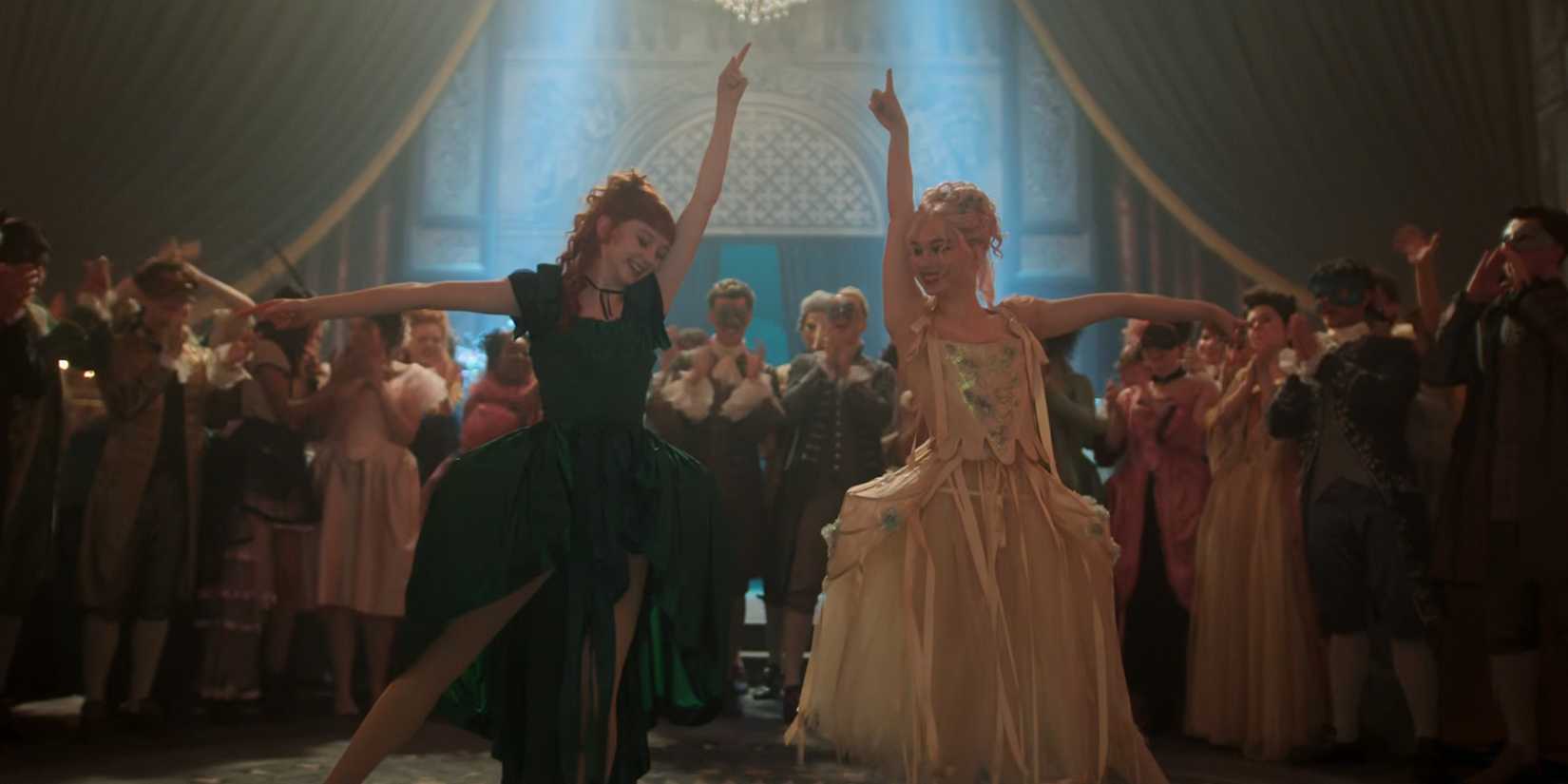
Season 2’s big dance scene ultimately arrived at Nevermore’s gala with Enid’s rehearsed performance to Lady Gaga’s “The Dead Dance.” While Enid was supposed to be joined by her pack, her only accompanying dancer ended up being Wednesday season 2’s new character Agnes. As fantastic as their dance and the meaning behind the scene was, it still missed some key aspects of what made Ortega’s such a smash hit.
Enid & Agnes’ Dance Scene Ignores Wednesday’s Being So Natural & Authentic
One of the key reasons why Wednesday season 1’s dance scene worked so well and resonated with audiences was the authenticity behind it. Even if it was potentially integrated into the episode with the hopes of giving the series a viral moment, the setup for the sequence paid off.
Wednesday going to dance by herself during a song that others wouldn’t have been as engaged with was an incredibly fitting moment for her character. Her zombie-like choreography was authentic to how Wednesday or any macabre Addams family member might dance, especially when she doesn’t care who’s watching.
The dance also didn’t feel shoehorned into the episode – it was a school dance where teens were already moving around to the music. However, that natural integration of the scene wasn’t necessarily there for Enid and Agnes’ Wednesday season 2 moment.
Rather, Enid had been practicing for the choreography for quite some time, and Agnes invited herself to assist on the dance floor after admitting she used her Outcast power of invisibility to watch Enid’s rehearsals. It was far more narratively built up to than Jenna Ortega’s in Wednesday season 1, lacking that element of shock factor from the Rave’N sequence.
Additionally, while Wednesday season 1’s dance scene was so surprising that the entire room and story naturally stopped in their tracks to put all focus on her, it was more clearly manufactured for Enid and Agnes. The attention was called to them as an organized performance, and the camera itself even cut away from their dance to remind us what else was happening storywise with Wednesday and Bianca.
That said, Emma Myers and Evie Templeton’s choreography and performances were incredible to watch. There’s still some deeper meaning coming out of that scene by officially bonding Enid and Agnes as friends while giving them another big set-piece moment in the series. All eyes are on them and their courage in dancing in front of all Nevermore Academy Outcasts – they’re not invisible or in need of saving by Wednesday.
Jenna Ortega’s Dance Song & Choreography Fit Better With The Show & Her Character’s Themes

Another explanation behind why Jenna Ortega’s dance from season 1 was so successful is the brave weirdness of that sequence. “Goo Goo Muck” isn’t a mainstream song that audiences would generally know, and even the other characters weren’t initially as engaged with the track. Wednesday, in her outcast, shameless, confident weirdness, took that song to heart when dancing along.
There was a certain level of Wednesday season 1’s dance scene being uncomfortable to watch, which is entirely reflective of The Addams Family sentiment. That wasn’t the case for Enid and Agnes’ dance, which was a popular, exciting performance for other characters to watch set to a song by pop star Lady Gaga. As entertaining as both dance scenes were, Ortega’s in season 1 still takes the cake for its greater thematic and narrative significance.