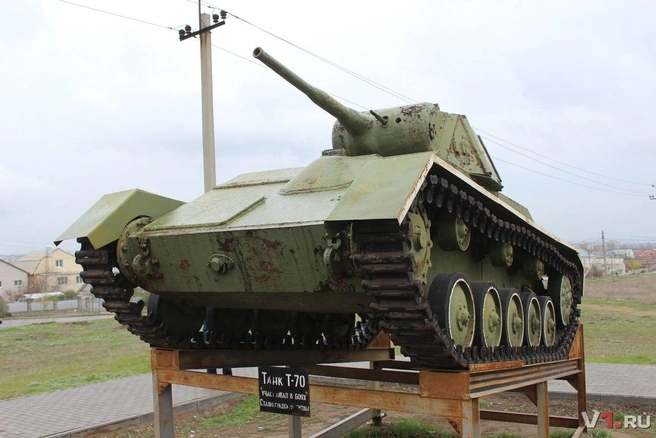
Location: Sovietsky District, Park of Memory, Marshal Vasilevsky Street.
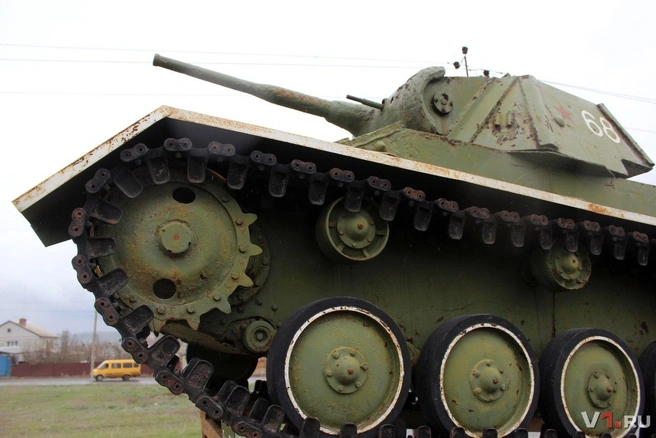
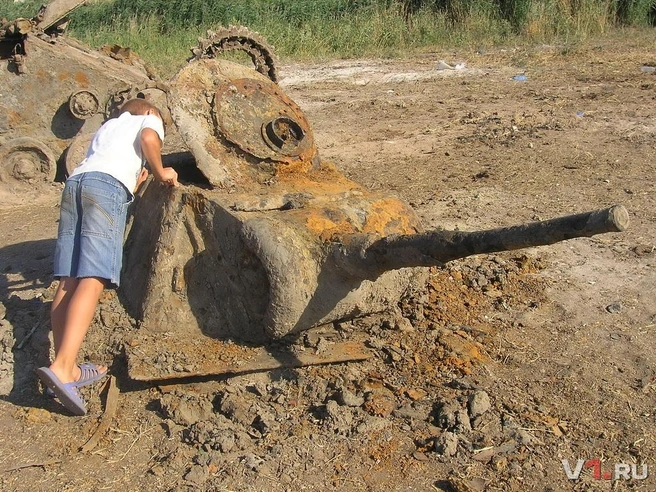
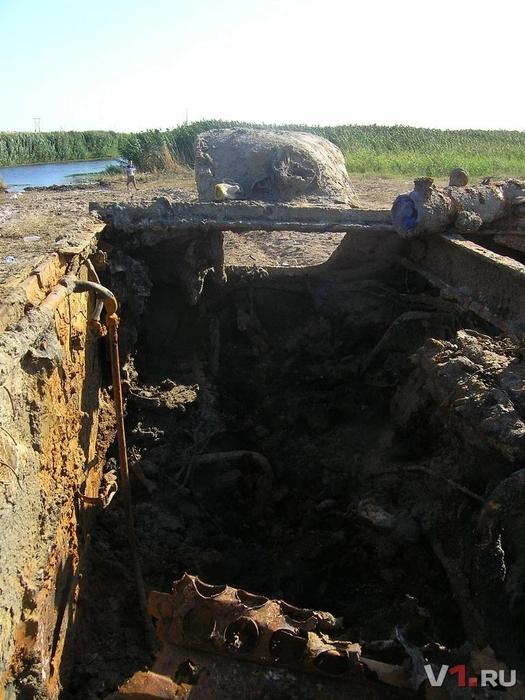
In Volgograd, famous T-34 tanks are not the only vehicles preserved as monuments. A T-70 light tank that fought in the Battle of Stalingrad also stands on a pedestal. It was recovered in August 2007 from the bottom of the mouth of the Chervlyonaya River, which flows into the Varvarovskoye Reservoir, restored, and installed on a pedestal in the Sovietsky District on February 2, 2008, near the monument on Lysaya Mountain and Volgograd State University.
The T-70 Light Tank
Location: Sovietsky District, Park of Memory, Marshal Alexander Vasilevsky Street.
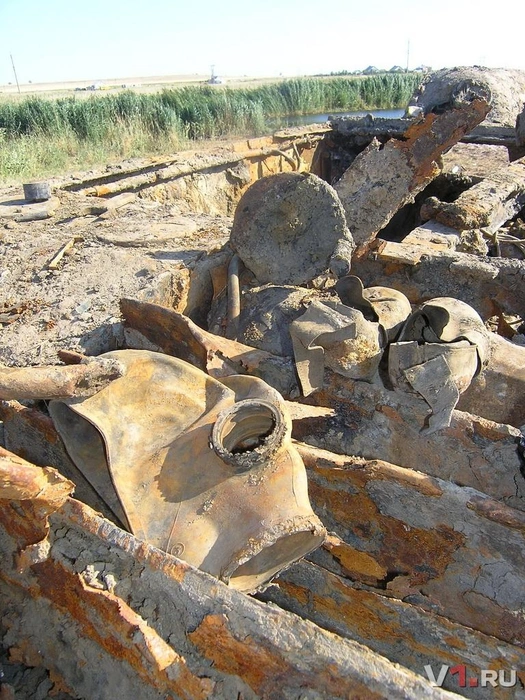
Historians have still not reached a definitive conclusion about how the tank was lost. Most likely, it did not end up underwater because the crew lost control; instead, they may have deliberately driven it into the water in an attempt to extinguish flames engulfing the T-70. However, the water was too deep, the tank sank, and its crew perished.
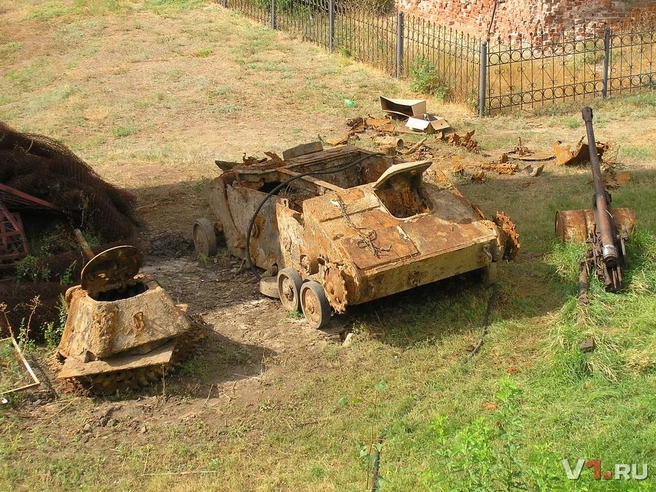
In August 2007, search teams discovered the light tank along with the remains of its crew near the settlement of Vodny in the Sovietsky District. It was subsequently handed over to the State Historical and Memorial Preserve Museum, “The Battle of Stalingrad,” for detailed examination. The vehicle was then transported to the VNIITMASH facility and restored.
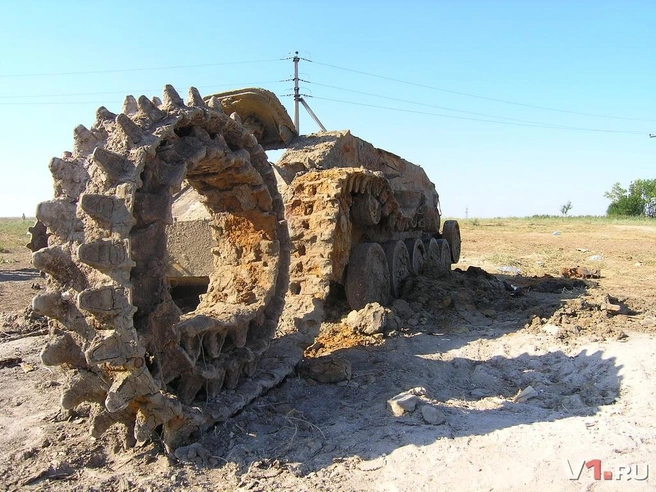
On the eve of celebrations marking the 65th anniversary of the Soviet victory over Nazi German forces in the Battle of Stalingrad, the T-70 light tank was placed on a pedestal in the Park of Memory on Marshal Alexander Vasilevsky Street.
The T-70 was a Soviet light tank developed during the Second World War. It was designed in the autumn of 1941 at the Gorky Automobile Plant under the leadership of Nikolai Astrov, the principal designer of the country’s light-tank family at the time. In January 1942, the T-70 was adopted by the Red Army and entered mass production at several engineering plants.

Compared with the T-60, the T-70 featured stronger armor, more powerful armament, and a power unit consisting of two six-cylinder carburetor engines coupled in series.
Just over 8,200 T-70 tanks of various modifications were produced. From the summer of 1942 onward, T-70 light tanks took an active part in the battles of the Great Patriotic War. By the number of vehicles produced, the T-70 became the second most numerous tank type in the Red Army between 1941 and 1945.
Production of the T-70 continued until October 1943, when a decision was made to end mass production in favor of the SU-76 self-propelled artillery vehicle. Today, several dozen T-70 tanks survive as monuments or museum exhibits, making them relatively uncommon historical artifacts.
Photo: From the newspaper’s editorial archive.