
In December 2023, the American Heritage Museum (AHM) stunned the vintage aviation community with the announcement of its acquisition of an exceedingly rare Junkers Ju 87 Stuka dive-bomber—one of only a handful of complete examples left in existence. Now, just over six months later, the museum’s president, Rob Collings, has shared exciting details about the complex restoration effort that is already well underway in Europe.
From Frozen Relic to Flying Machine
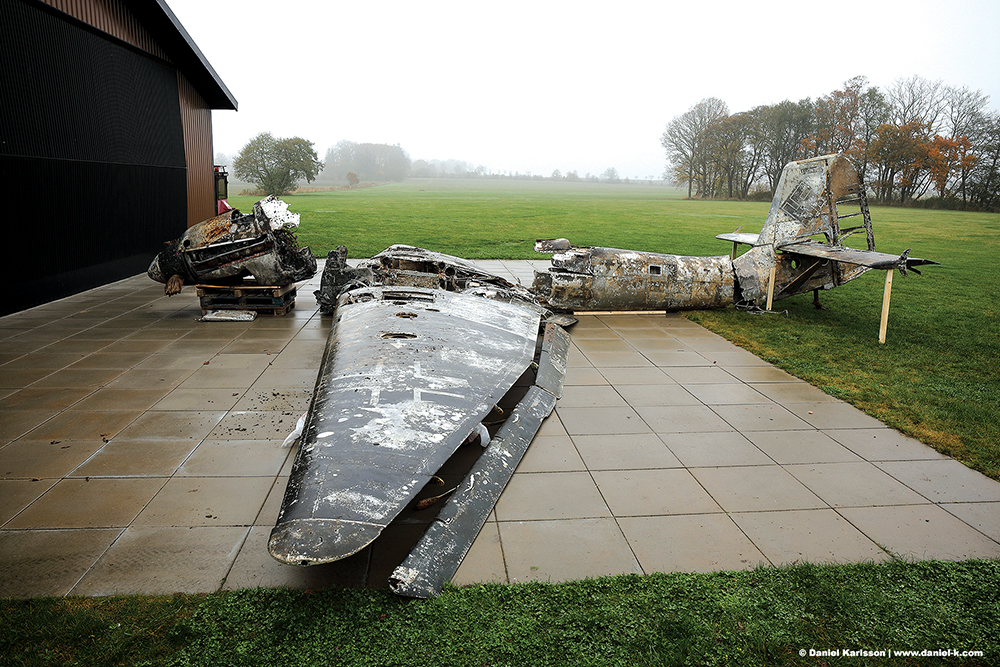
The Stuka airframe acquired by AHM was recovered from a frozen lake where it had been successfully landed during World War II. Unlike many wartime wrecks, this aircraft is not the result of a crash. However, the retreating crew set off a thermite grenade in the cockpit to prevent capture, causing significant fire damage to the center section. Despite the damage, the restoration team considers themselves fortunate. “It’s not a bent airframe,” Collings explained. “The structure is remarkably intact, which gives us a strong foundation to work from.”
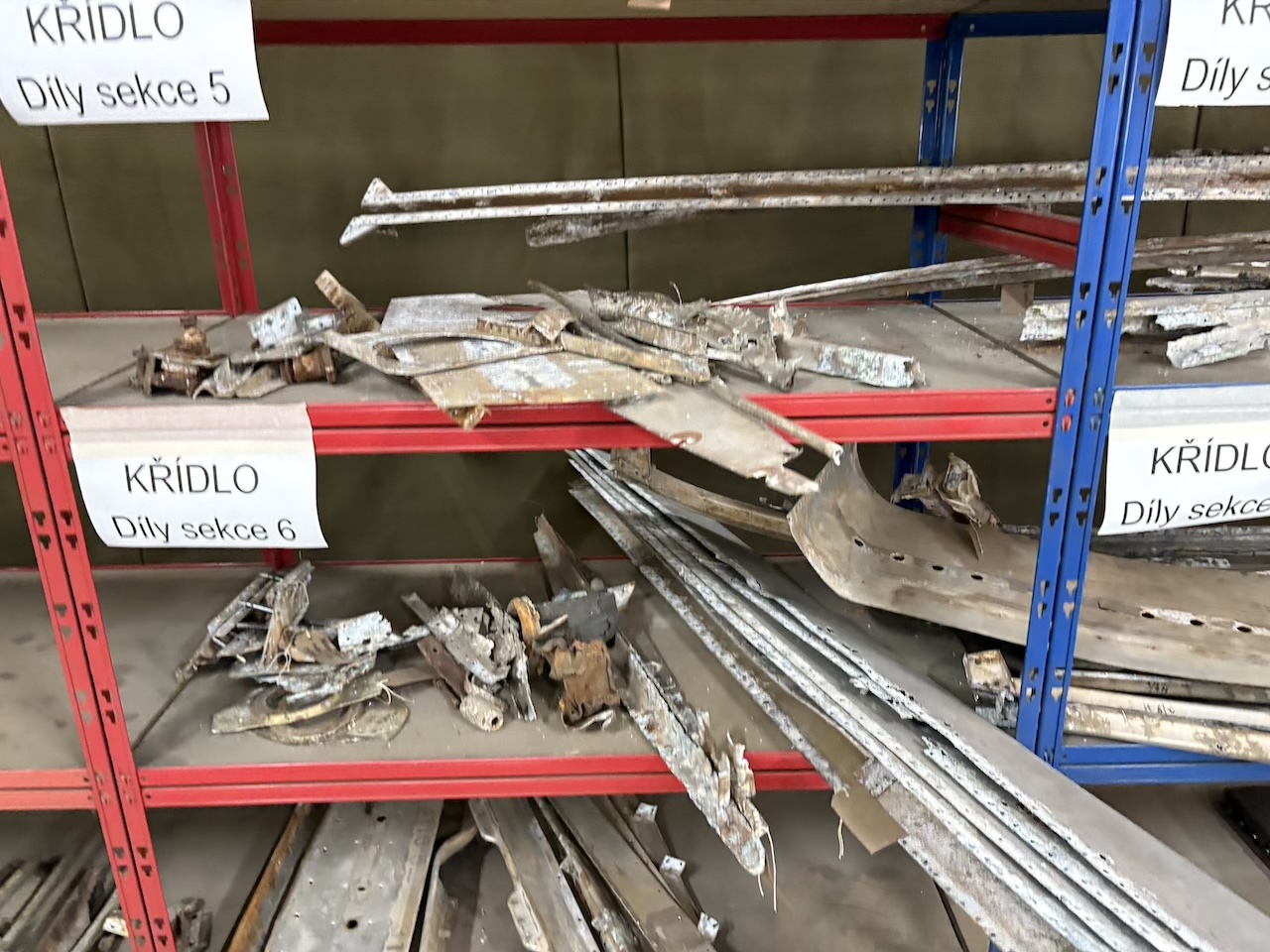
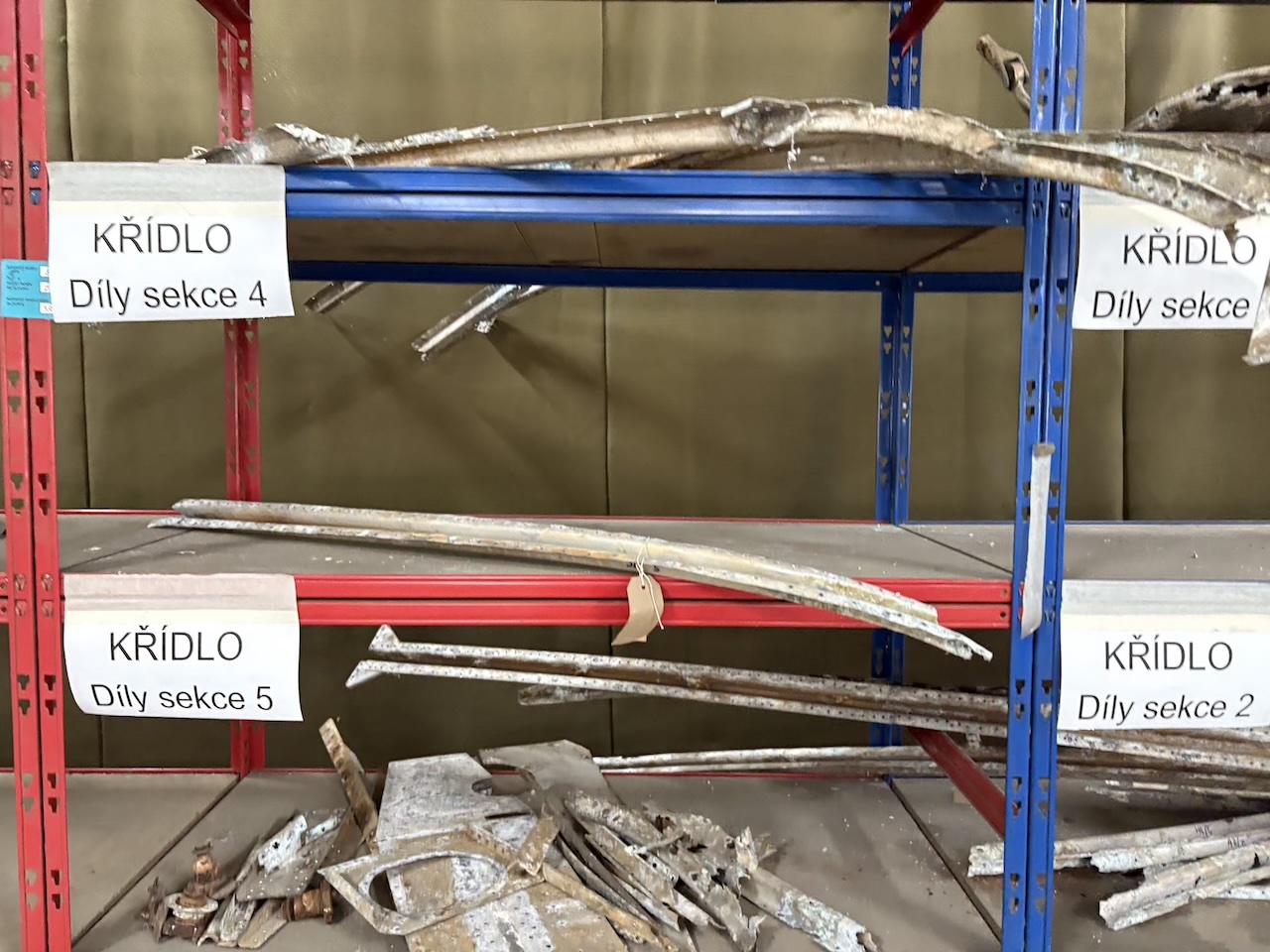
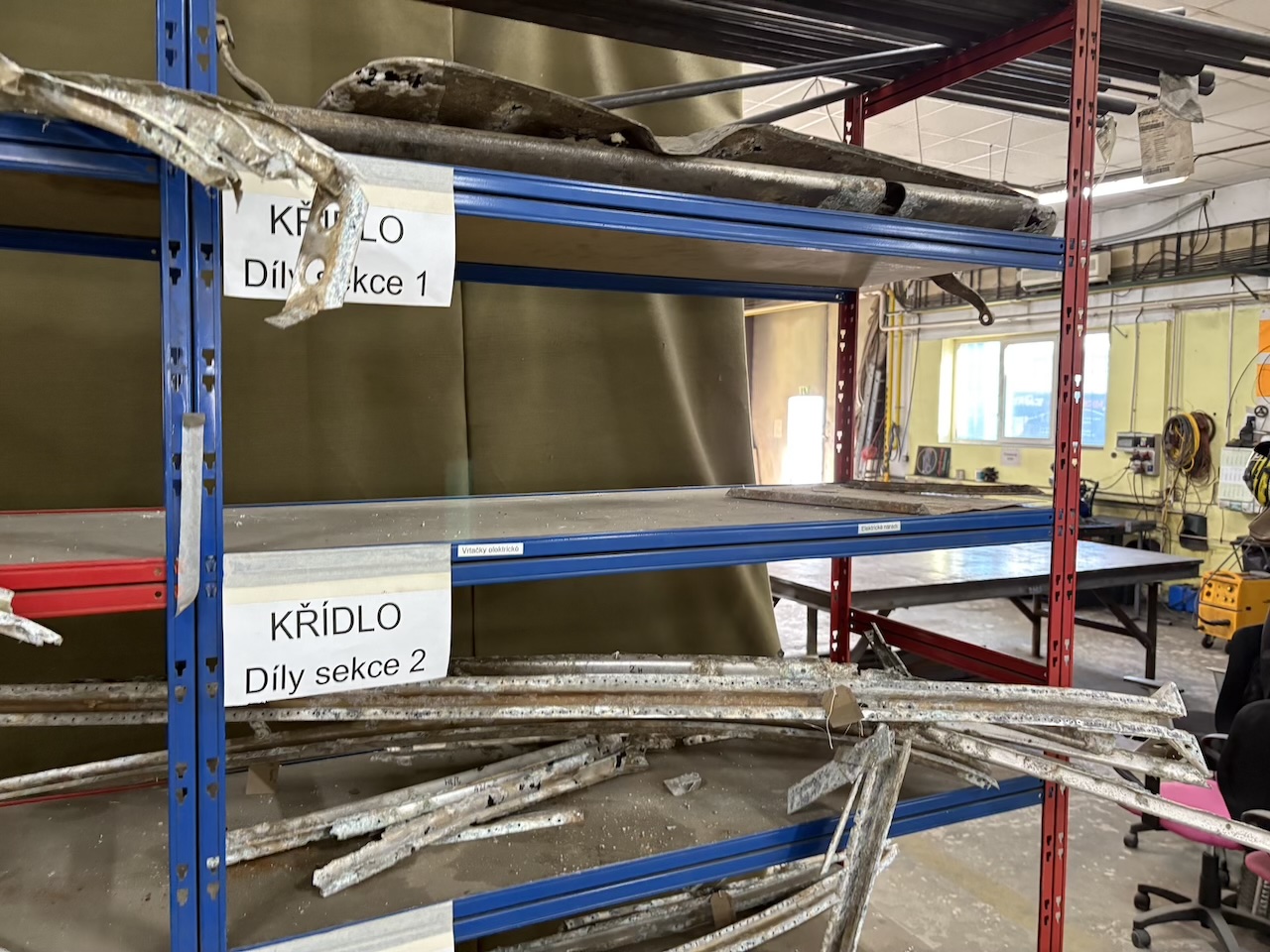
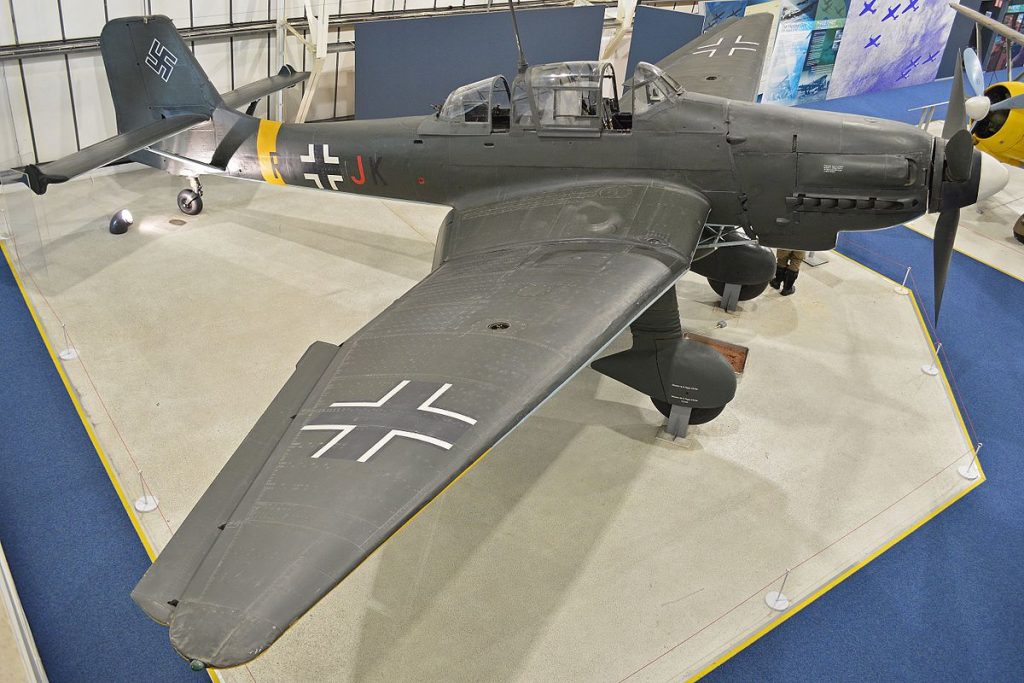
Yet the restoration is far from straightforward. “There are no original construction drawings for the Stuka. They were all destroyed after the war,” Collings noted. That absence has forced the team to rely heavily on 3D scanning of surviving airframes at the RAF Museum in Hendon (Ju 87G) and the Technikmuseum in Berlin (Ju 87B), as well as carefully studying original wreckage and components to reverse-engineer accurate drawings for reproduction parts.
Restoring the Airframe: Piece by Piece
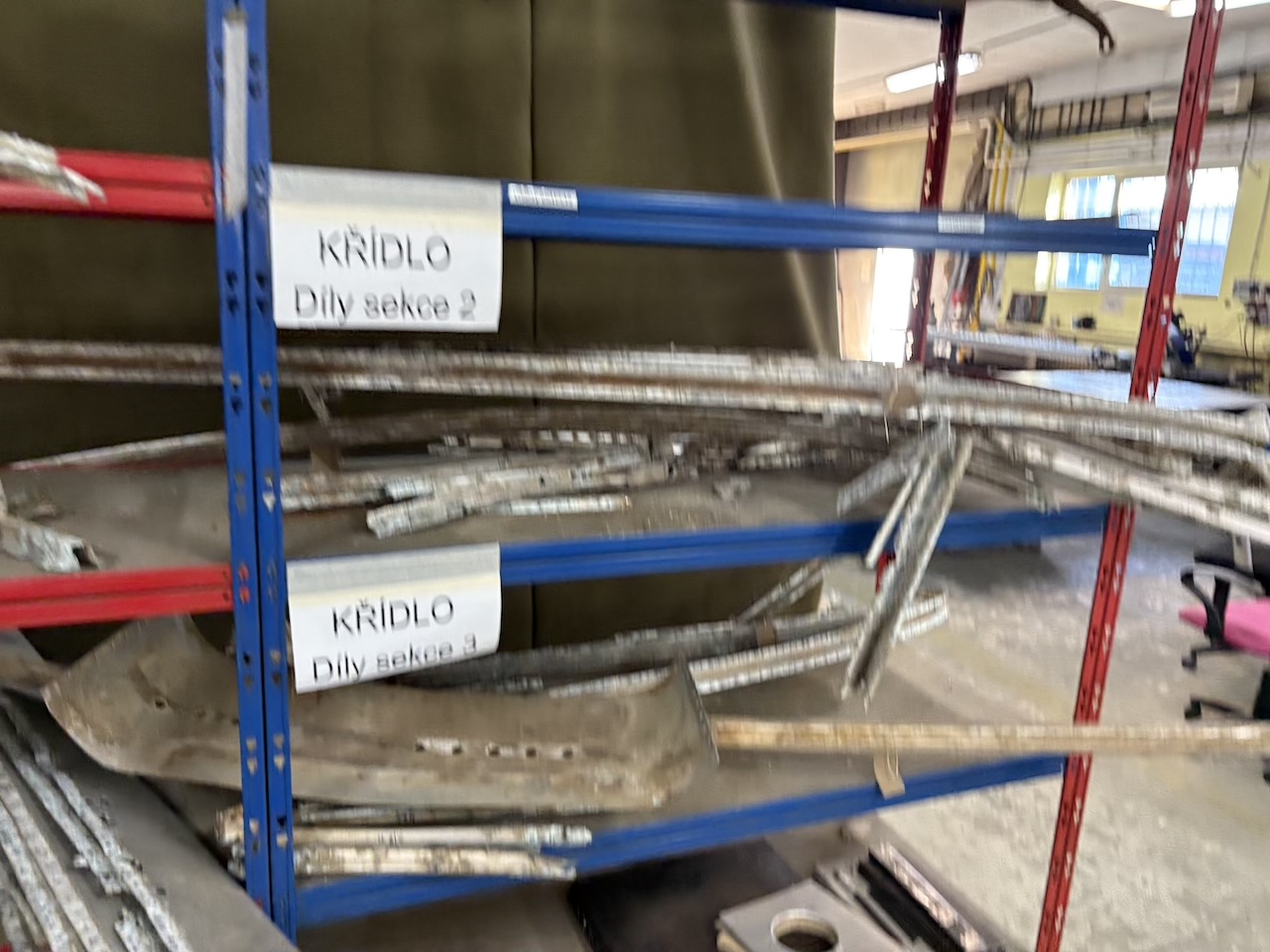
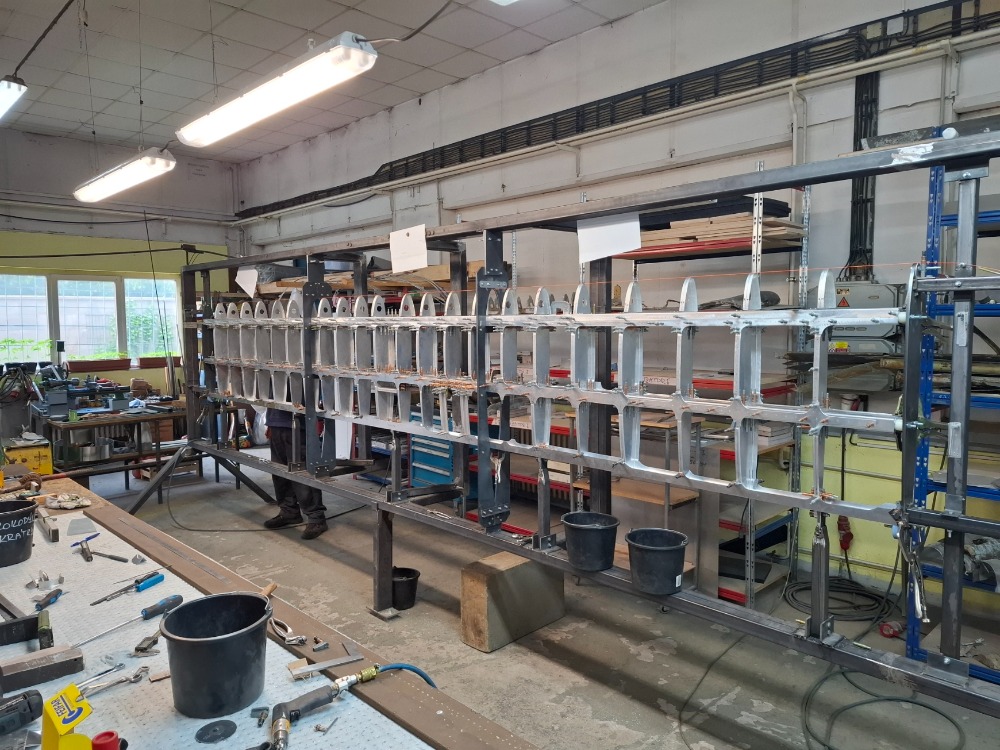
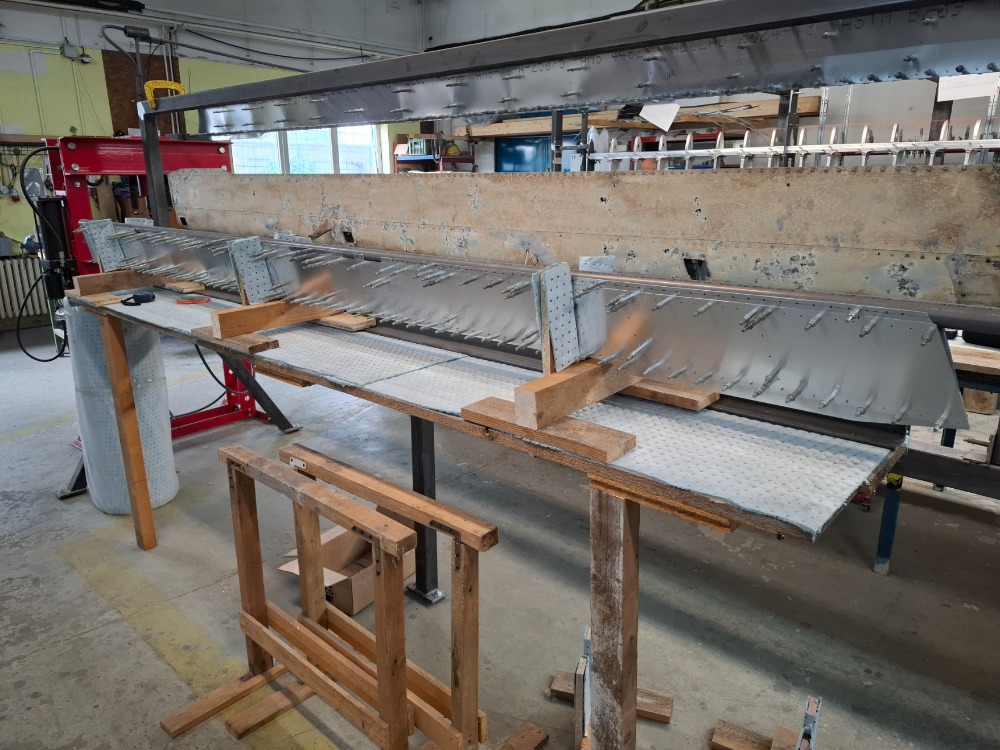
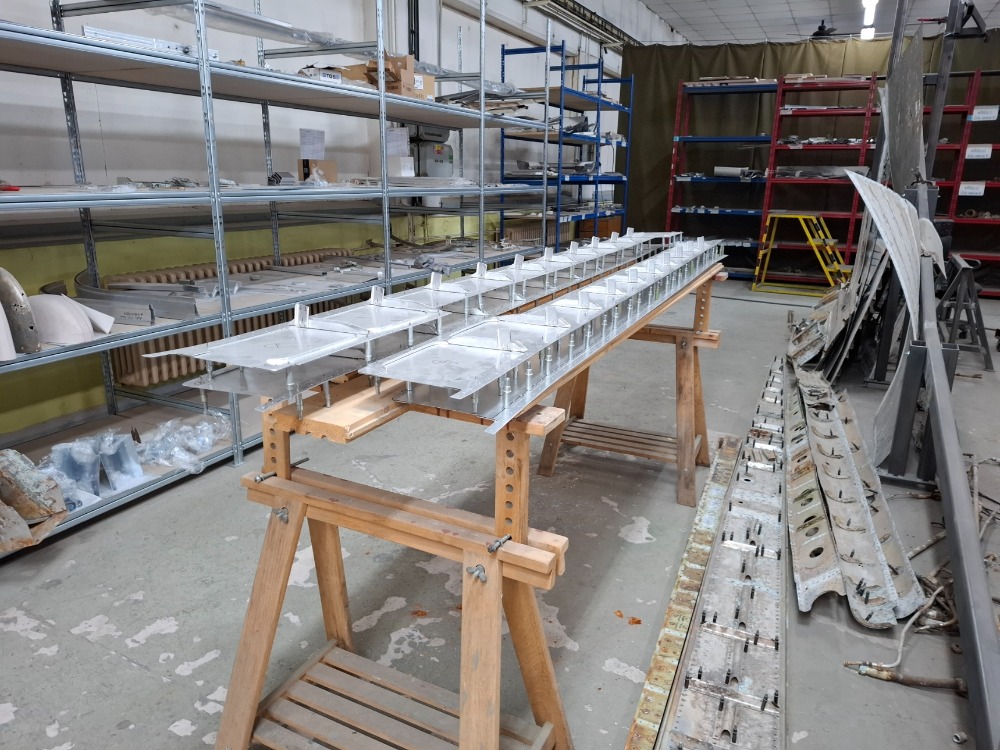
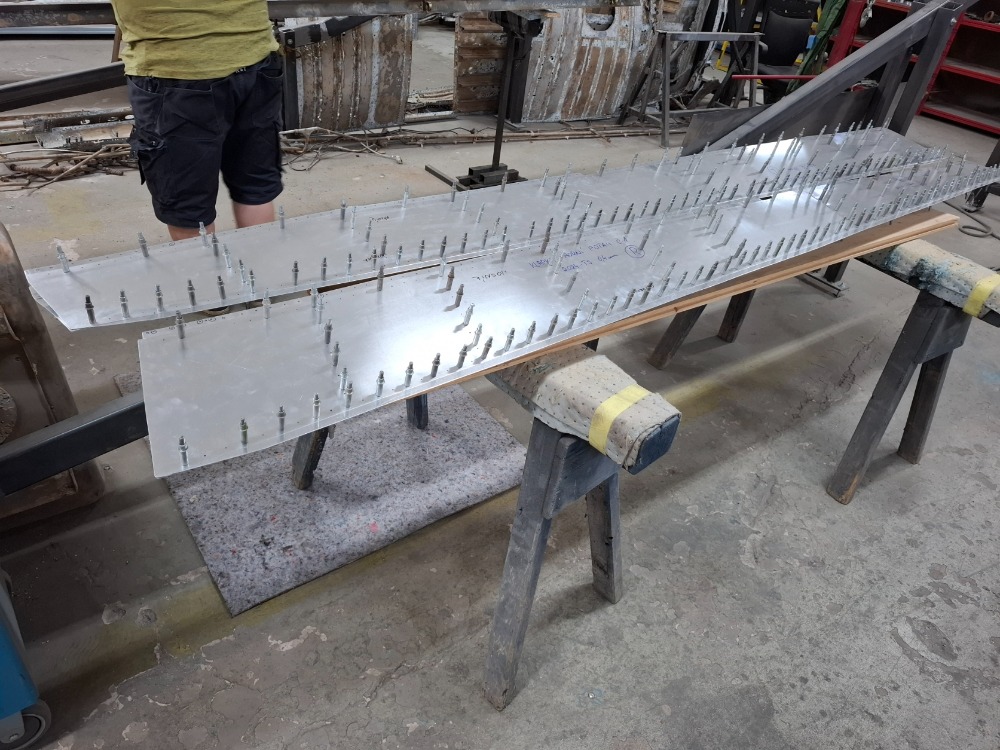
The hands-on structural rebuild is taking place in the Czech Republic, where the focus so far has been on the tail and wings—especially the badly corroded right wing. “We started on the worst parts first,” said Collings. “You can see a strong line of corrosion where it was either buried in mud or partially exposed. The left wing, by contrast, was in surprisingly good shape.”
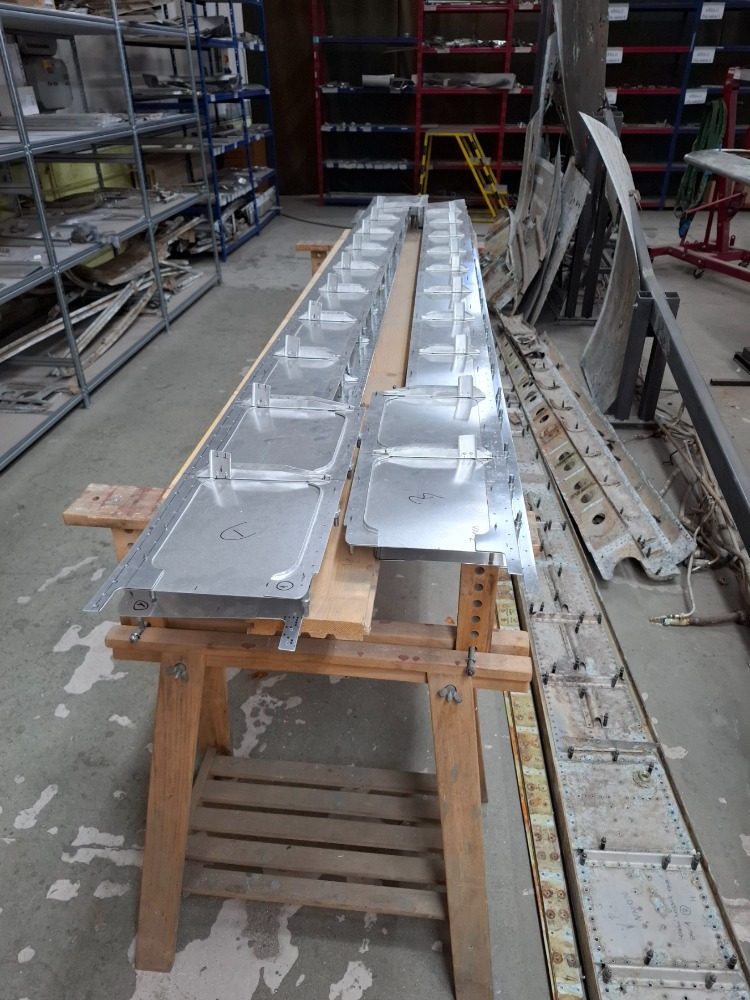
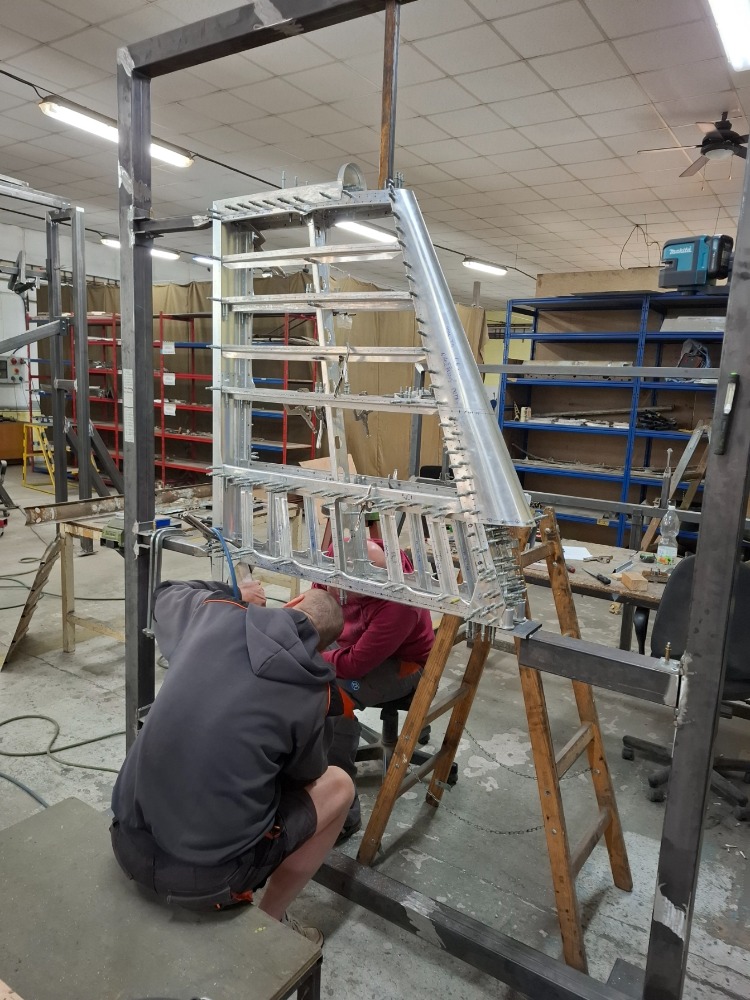
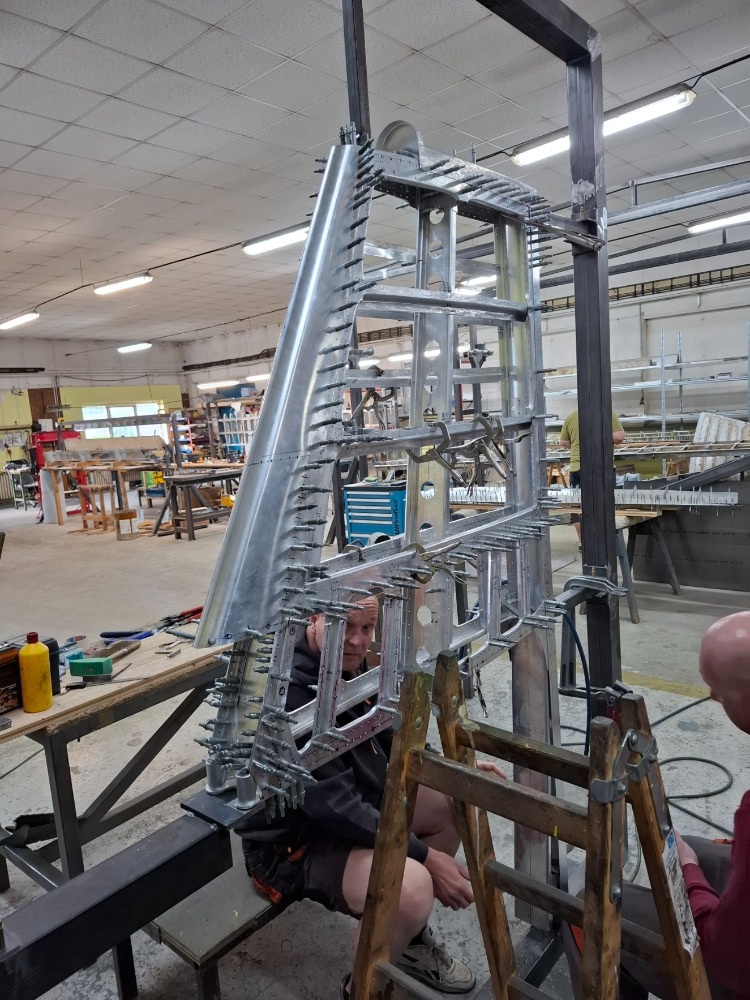
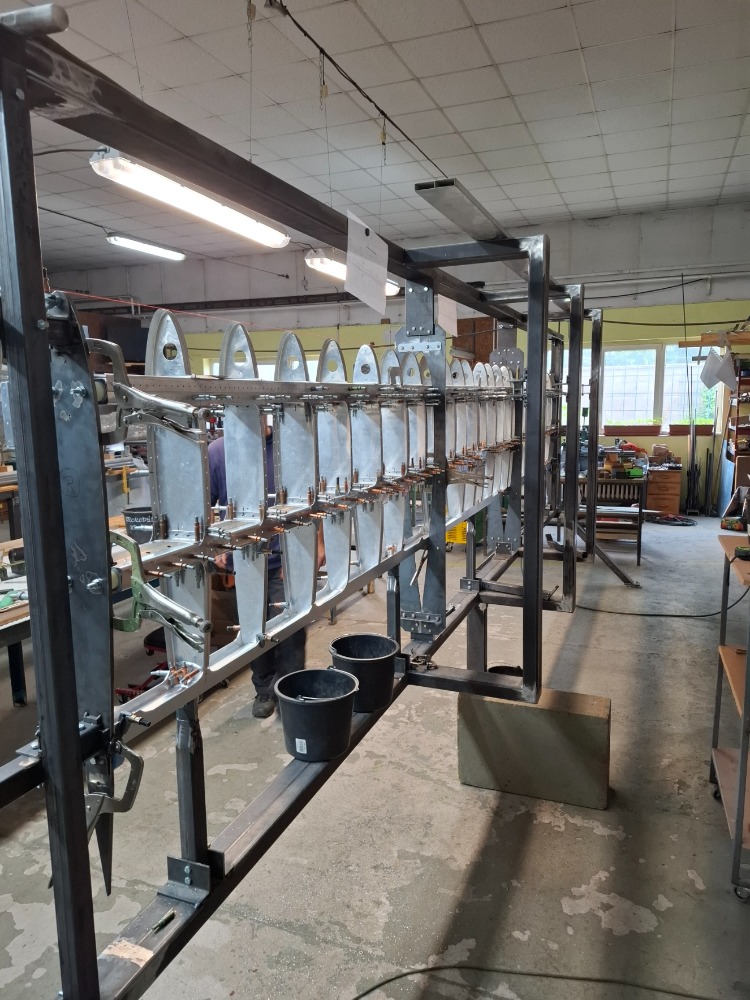
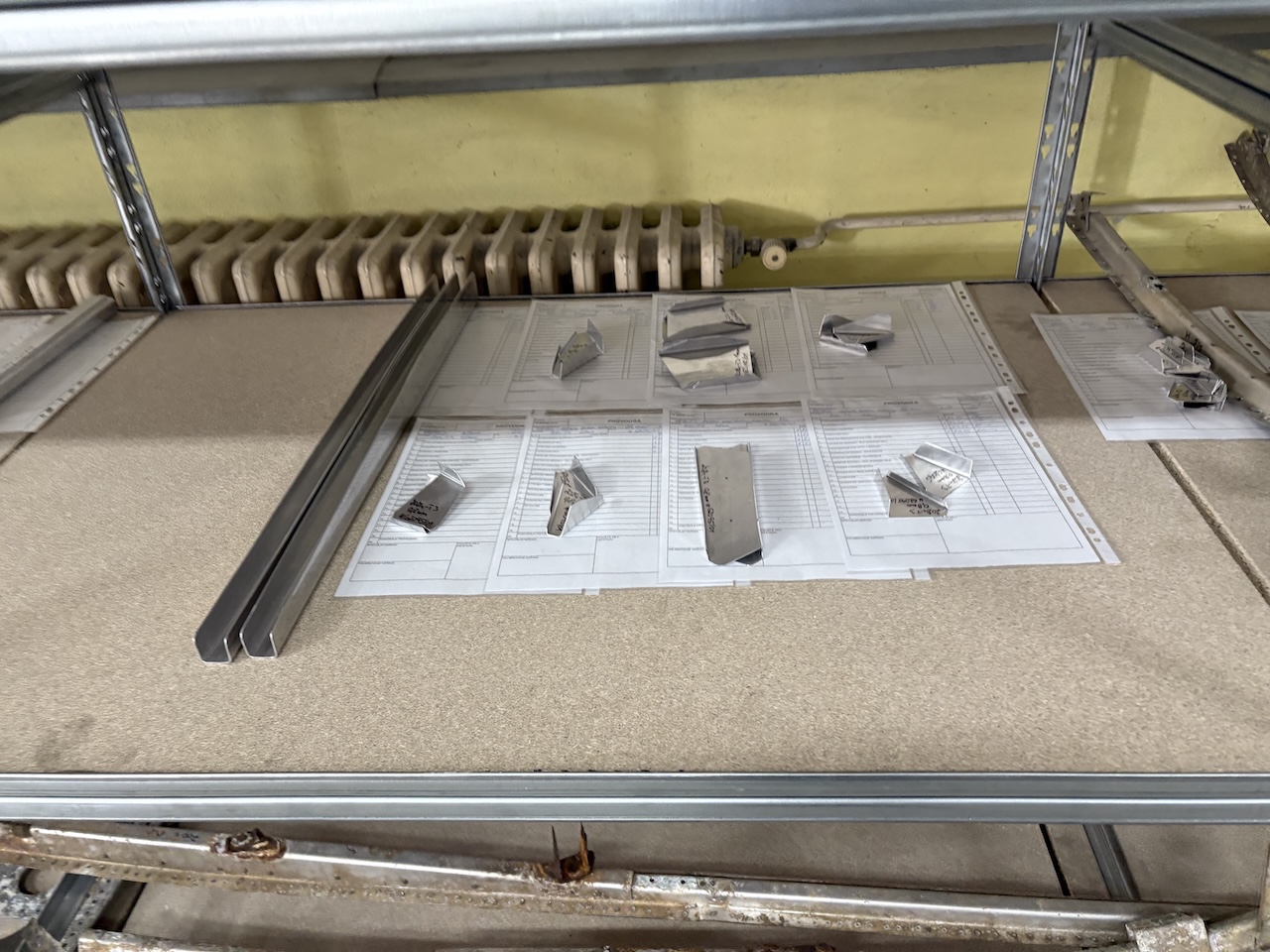
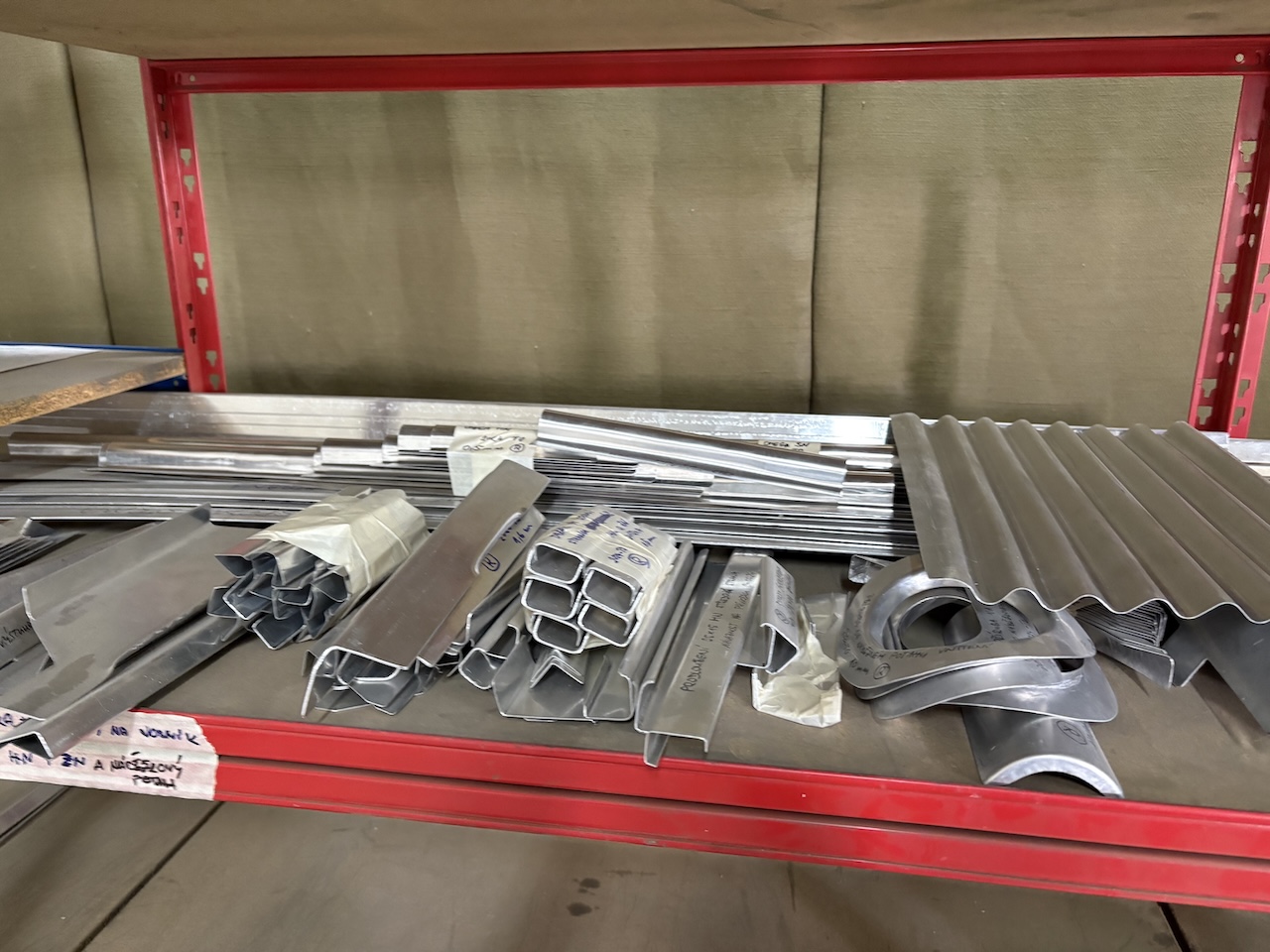
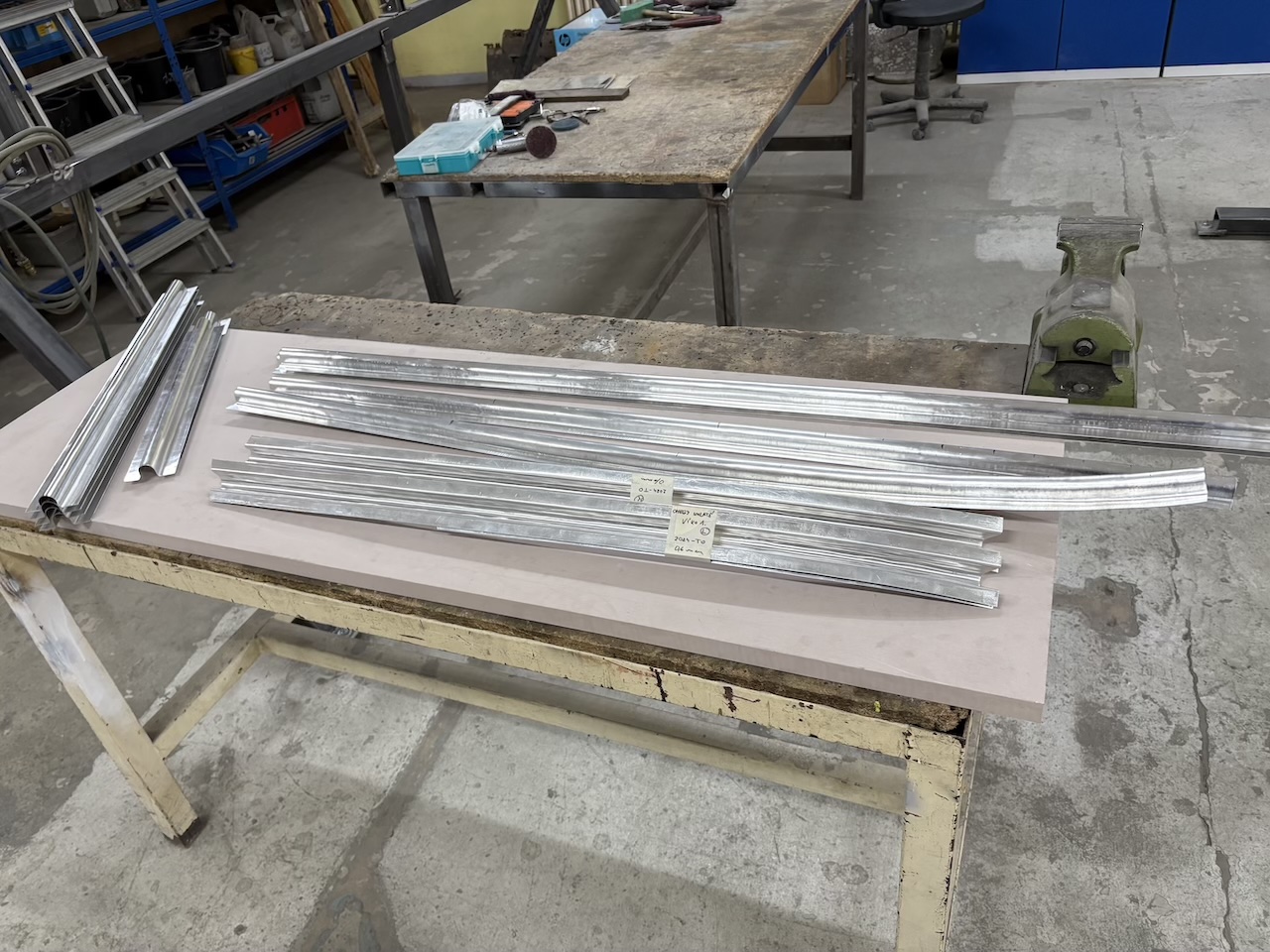
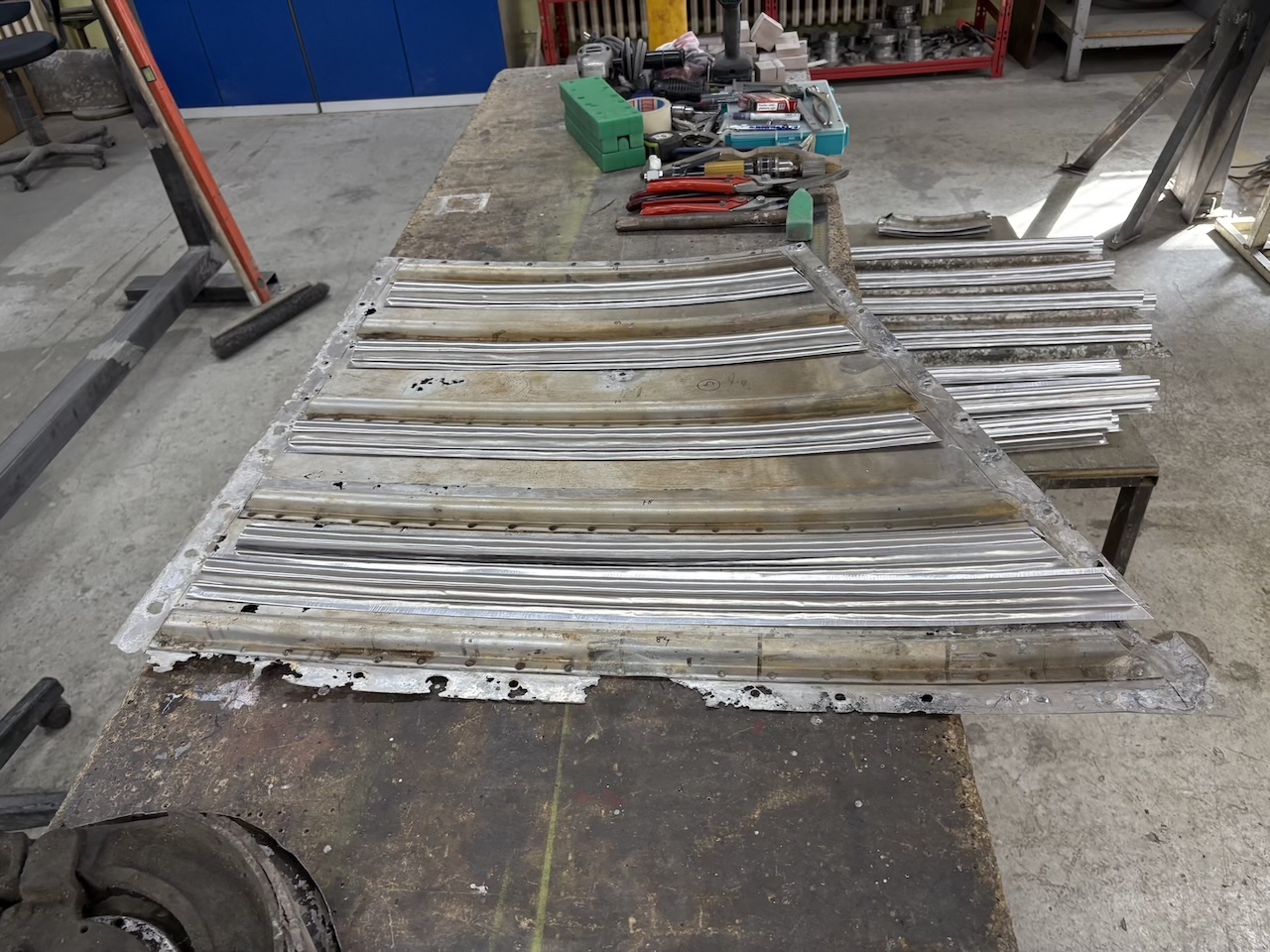
As of now, the horizontal stabilizer is completely rebuilt, and most components of the right wing are structurally finished. The next major step is the production and installation of authentic German rivets. Unlike their American or British counterparts, WWII-era German rivets are not only shaped differently—with a 120-degree head angle—but also made of stronger, uniquely formulated alloys. “This isn’t just about historical accuracy,” said Collings. “Using incorrect rivets can lead to structural failures. We’ve learned this from experience with other Luftwaffe restorations like the Focke-Wulf.”
Systems and Engines: Precision Engineering
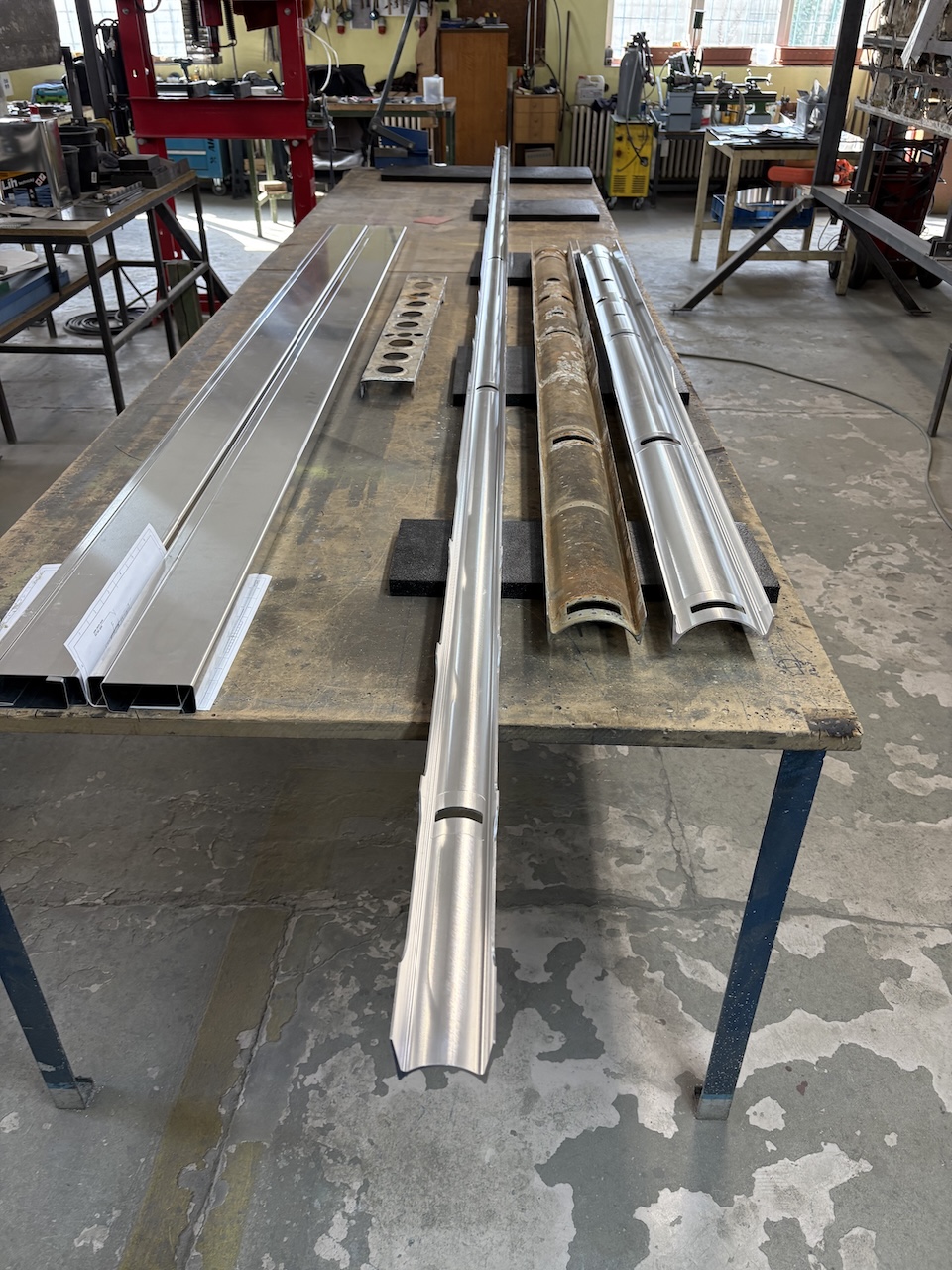
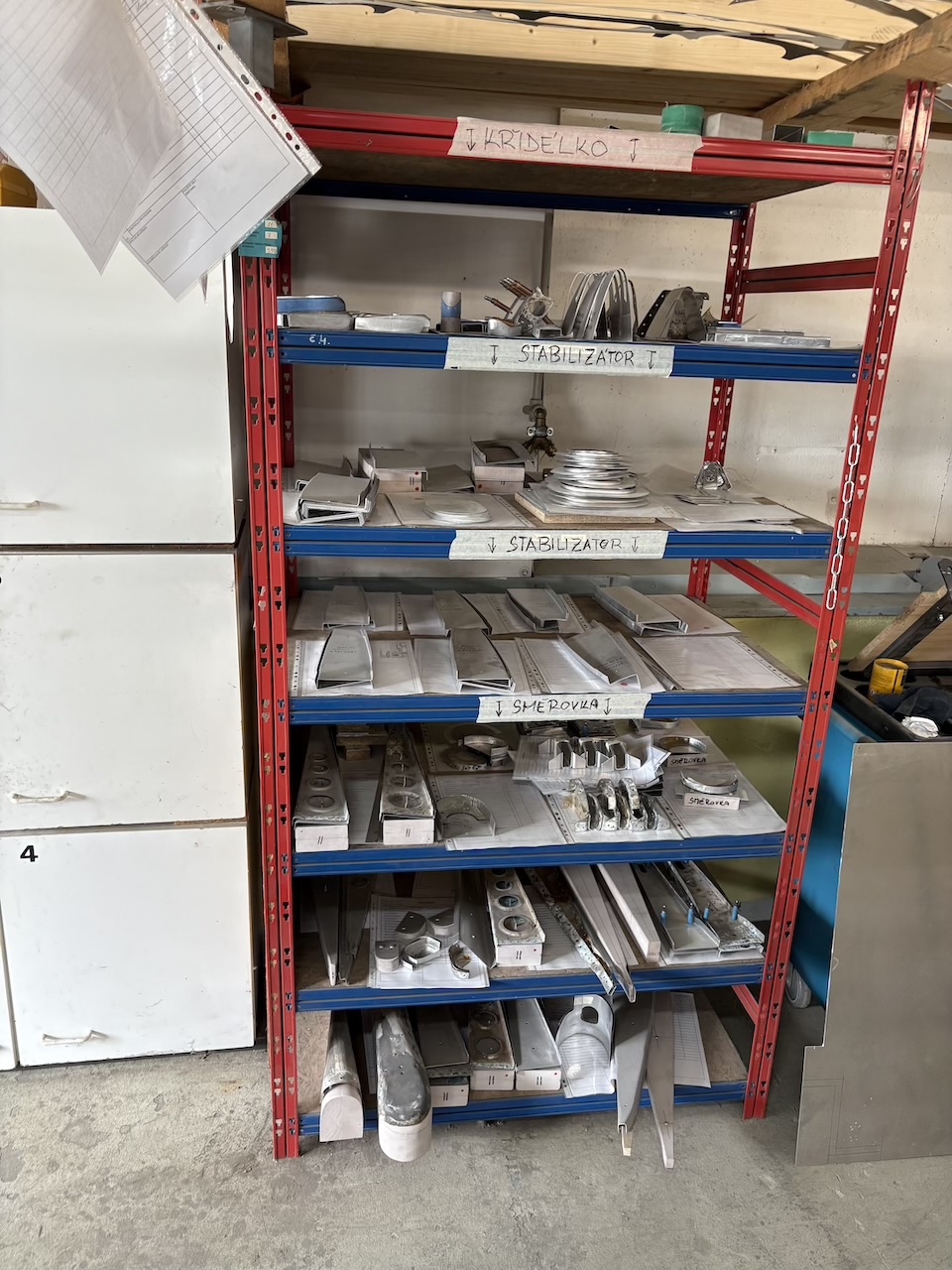
Though the airframe remains the priority for now, preliminary work on the aircraft’s systems has also begun. The team is reproducing the Stuka’s complex flap-aileron mixing unit—a mechanism that causes the ailerons to droop when the flaps are deployed, enhancing low-speed handling during dive-bombing runs. “This part was destroyed in our aircraft,” explained Collings, “but we were able to borrow and scan the unit from the Berlin Technikmuseum’s example.” The data from those scans is now being used to fabricate an entirely new unit from scratch.
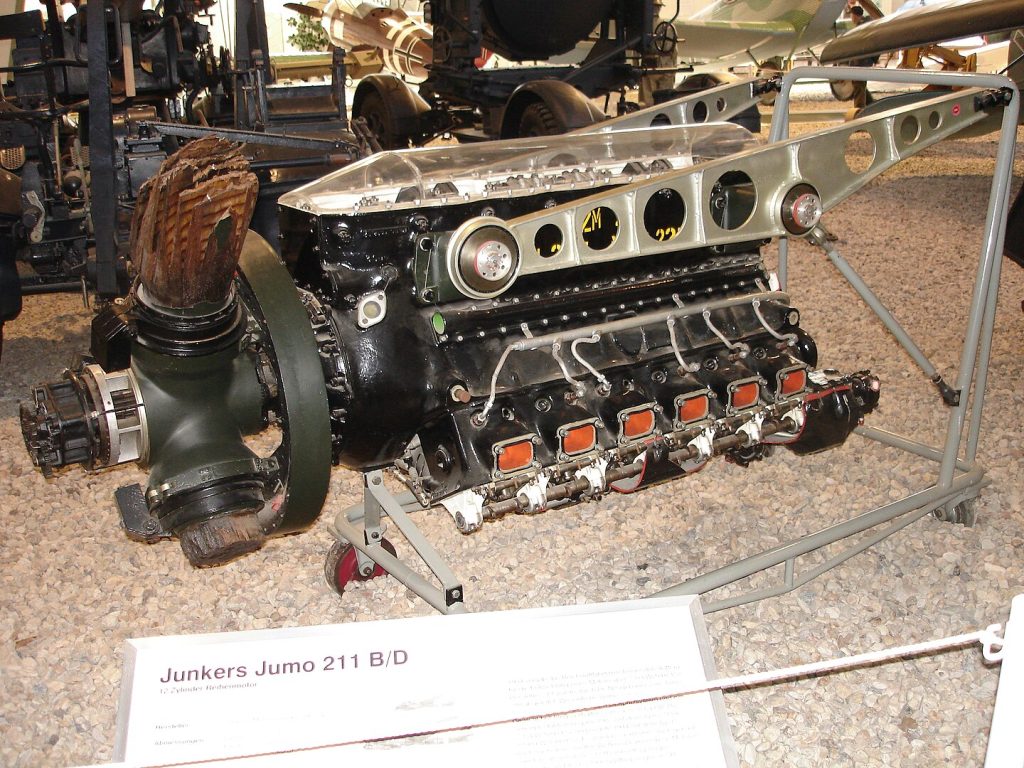
As for the powerplant, multiple Junkers Jumo 211 engines are currently in storage at RPE (Michael Renner’s restoration facility in Austria) awaiting rebuild. The team has yet to initiate engine restoration, choosing to focus their resources for now on airframe progress. However, engine work is expected to begin soon.
Looking Ahead
With the tail and wing structures expected to be completed within the next year, attention will then shift to the fuselage and center section. It’s a long journey, but AHM is well on its way to bringing the Stuka back to life—not as a static display, but as a potential flying example of one of WWII’s most iconic (and controversial) aircraft. In doing so, the museum continues to push the boundaries of what’s possible in historic aircraft restoration. As Collings puts it: “This is about preserving aviation history at a level that few have attempted. The Stuka is a milestone machine in the story of aerial warfare, and it deserves to be understood, studied, and remembered in full.”