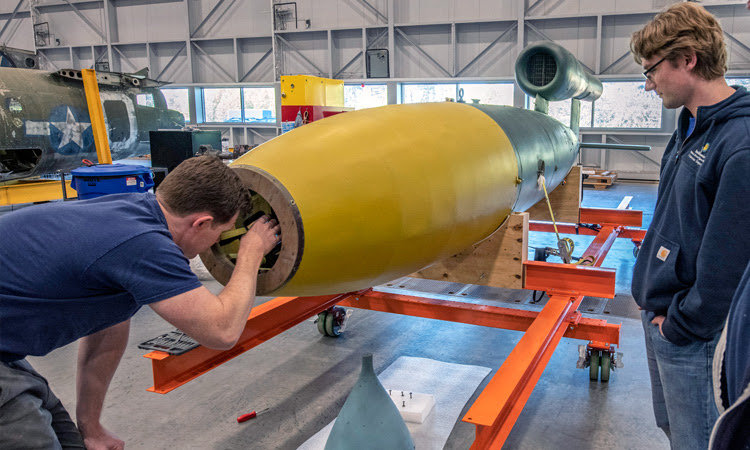
The Preservation and Restoration Unit at the Steven F. Udvar-Hazy Center is now completing its counterpart, the V-1 cruise missile, which will be displayed in the Jay I. Kislak World War II in the Air gallery, set to open in 2026.
Following the successful restoration of a German V-2 ballistic missile, the museum’s Preservation and Restoration Unit is now completing work on a V-1 cruise missile. This “buzz bomb,” a notorious World War II terror weapon, is being meticulously prepared for its prominent placement in the forthcoming Jay I. Kislak World War II in the Air gallery, set to open in 2026.
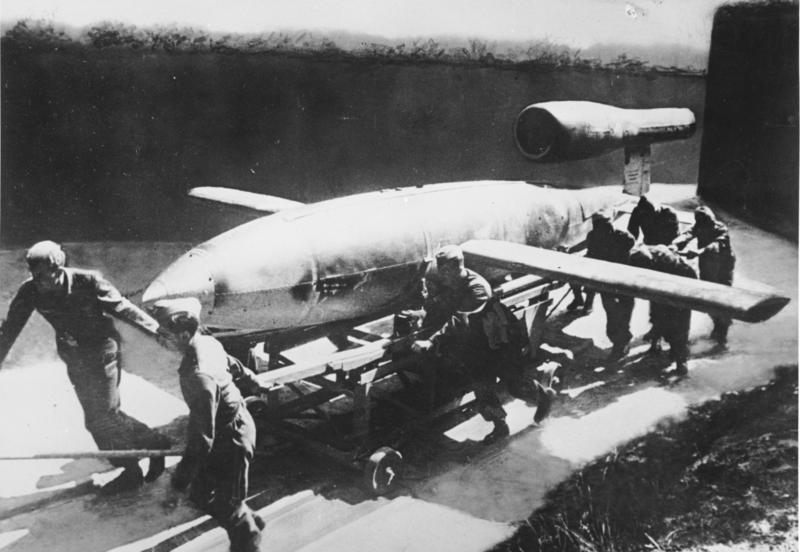
Deployed in far greater numbers than the V-2, the V-1 posed a unique threat during the war. Its psychological impact on targeted populations and its influence on Allied defense strategies are key elements of its historical significance. Although ultimately ineffective in achieving Nazi Germany’s strategic objectives, the V-1 is recognized as an important precursor to modern cruise missile technology and serves as a stark reminder of the destructive innovations born from conflict.
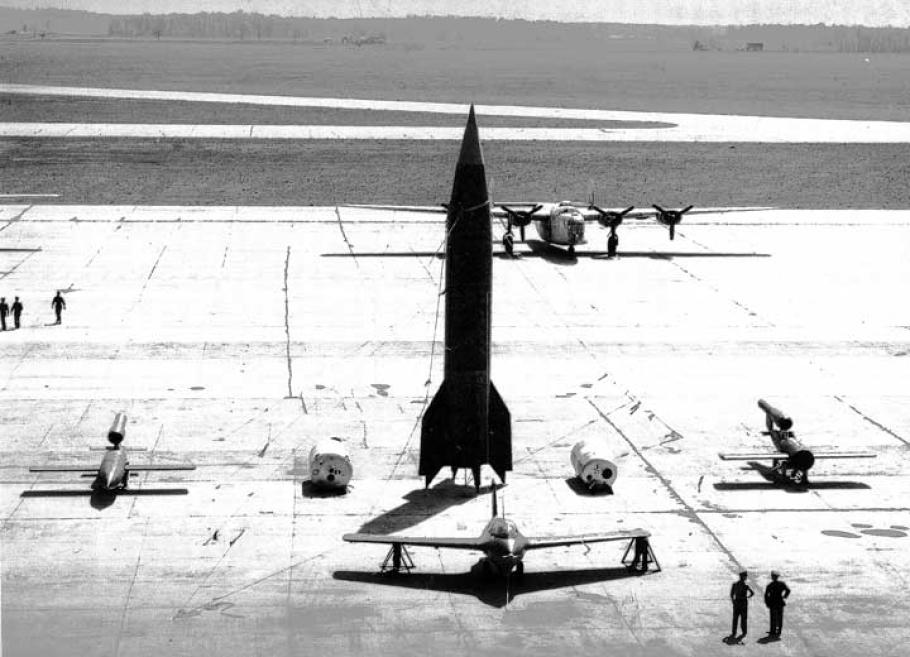
The restoration of the Museum’s V-1 has uncovered fascinating details about its construction, history, and its own past within the Museum. Highlights include the discovery of an unexpected wooden replica warhead, clues about its original paint scheme, and indications of a possible demonstration firing. The intricate process of restoring this artifact has been filled with remarkable findings, offering a deeper understanding of its role in history.